
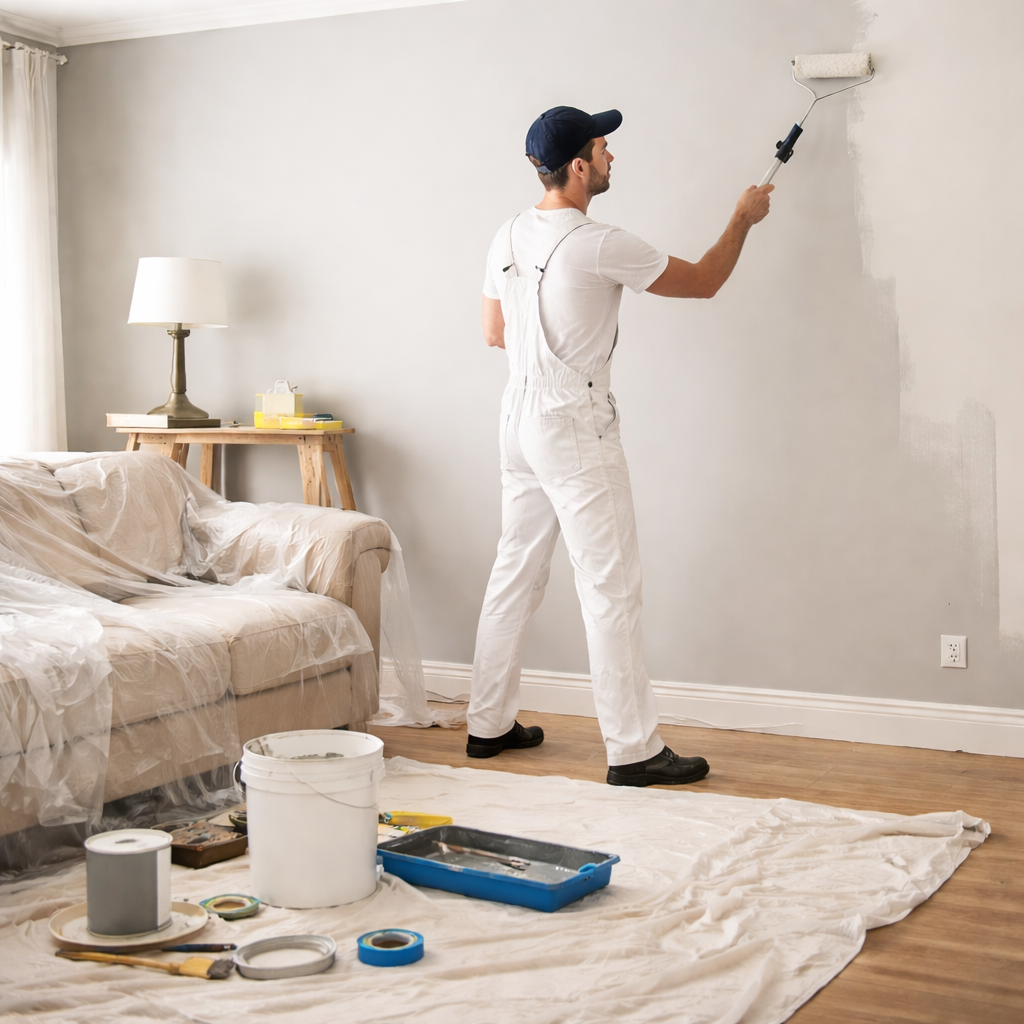
Repainting interior walls is often treated as a cosmetic update, but interior paint plays a much bigger role in how a home holds up over time. Paint protects wall surfaces from moisture, everyday wear, and surface damage that can slowly lead to more expensive repairs if left unaddressed. When paint starts to break down, it is usually a sign that the walls need more than a quick patch or touch-up.
Many homeowners put off repainting because it is not always obvious when it becomes necessary. Knowing when to repaint interior walls can help prevent ongoing damage and keep interior spaces in good condition. Below are eight clear signs that repainting may be needed, along with why each one matters for the durability, protection, and overall condition of your home.
How to Tell When It’s Time to Repaint Interior Walls
Interior paint protects more than just appearance. It helps shield wall surfaces from moisture, daily wear, and surface damage that can build up over time. When paint begins to break down, the signs often show up gradually rather than all at once.
If you are unsure whether it is time to repaint interior walls, the indicators below can help you decide. Each sign points to changes in the condition of the paint or the wall itself that should be addressed before they turn into larger, more costly repairs.
1. Paint Is Peeling, Bubbling, or Cracking
Peeling, bubbling, or cracking paint is one of the clearest signs that interior walls need attention. These problems usually indicate that the paint is no longer properly bonded to the surface. Moisture, poor surface preparation during a previous paint job, or aging paint can all cause this type of failure.
Rooms with higher humidity such as bathrooms, kitchens, laundry rooms, and basements are especially vulnerable. Once paint begins to lift or crack, it stops acting as a protective barrier. Moisture can reach the drywall or plaster underneath, increasing the risk of mold growth, staining, and long-term surface damage.
Repainting interior walls after proper surface preparation restores that protective layer. Addressing peeling or bubbling paint early helps prevent further deterioration and keeps small issues from turning into larger repair problems.
2. Stains That Keep Showing Through
Stains that continue to show through your interior walls, even after cleaning or touch-ups, are a clear sign that repainting is needed. Common examples include water stains, smoke residue, grease splatter in kitchens, and discoloration around patched or repaired areas.
When stains bleed through repeatedly, it usually means the existing paint has broken down and can no longer block what is underneath. In some cases, the original paint was too thin or the wrong type was used for the space. High-moisture or high-use rooms often require specific primers and finishes to prevent stains from resurfacing.
Repainting interior walls using the correct primer and a properly matched paint finish seals the surface more effectively. This not only stops stains from returning but also creates a cleaner, more uniform appearance that holds up better over time.
3. Fading or Uneven Color
Fading or uneven paint color is especially common in rooms that receive consistent natural light. Over time, sunlight breaks down the pigments in interior paint, causing walls to look dull, washed out, or uneven from one area to another. This often shows up near windows, along accent walls, or in open living spaces with large amounts of light.
Although fading is often viewed as a cosmetic issue, it usually signals that the paint itself is breaking down. As paint loses its pigment strength, it also loses durability. This makes the wall surface more vulnerable to everyday wear, staining, and surface damage.
Repainting interior walls restores a uniform color while also renewing the protective layer that paint provides. A fresh coat helps walls handle light exposure better and keeps surfaces sealed and easier to maintain over time.
4. Scuff Marks and Damage That Will Not Clean Off
Scuff marks, handprints, and small scratches tend to appear first in high-traffic areas such as hallways, stairwells, entryways, and children’s rooms. This type of wear is expected over time, but when marks no longer come off with gentle cleaning, it is usually a sign that the paint has worn through its protective layer.
Older flat paints are especially prone to this problem because they were not designed to handle frequent contact or repeated cleaning. As the paint surface begins to break down, it absorbs dirt and marks rather than resisting them. This can make walls look permanently dirty or worn, even in otherwise well-maintained spaces.
Repainting interior walls with a more durable paint finish restores the surface’s ability to repel marks and handle regular use. A fresh coat creates a smoother, stronger layer that is easier to clean and helps high-use areas stay looking maintained for much longer.
5. Wall Repairs Are Starting to Stand Out
As interior paint ages, previously patched areas such as nail holes, hairline cracks, and repaired sections can become more noticeable. Even when repairs were done properly, touch-up paint applied at different times rarely blends perfectly with older paint, especially as surrounding walls fade or discolor over the years.
When repairs start to stand out instead of blending in, it often means the existing paint has reached the end of its lifespan. Differences in sheen, texture, or color can make walls look uneven or unfinished, even if the underlying surface is in good condition.
Repainting interior walls is often the most effective way to restore a uniform appearance. A fresh coat of paint evens out color and finish, helping repairs disappear into the wall and giving the space a clean, cohesive look again.
6. Paint Is More Than 5 to 7 Years Old
Interior paint is designed to last, but it does not hold up indefinitely. In most homes, paint maintains its appearance and protective qualities for about five to seven years. Factors such as room usage, humidity levels, cleaning frequency, and overall wear all affect how long paint performs well.
High-use areas like kitchens, bathrooms, and main living spaces often need repainting sooner because they experience more moisture, traffic, and daily activity. Bedrooms, offices, and other low-traffic rooms may last longer, but even those spaces eventually show signs of aging. If it has been close to a decade since your walls were last painted, or if you cannot remember when it was done, repainting interior walls is often a smart preventive step that helps maintain both appearance and surface protection.
7. Your Home Feels Dated or Poorly Maintained
Interior paint has a major impact on how a home feels overall. Walls with outdated colors, uneven finishes, or visible wear can make a space feel older than it actually is. Even when the home is clean and well cared for, worn or inconsistent paint can give the impression that maintenance has been overlooked.
As paint ages, it loses its ability to reflect light evenly, which can make rooms feel dull or tired. Repainting interior walls helps refresh the space and restore a clean, updated look while also signaling that the home is properly maintained. This becomes especially important if you are planning to sell or rent, since fresh interior paint often creates a strong first impression and helps spaces feel move-in ready.
8. Waiting Too Long Can Lead to Costly Repairs
Putting off repainting can allow minor paint issues to develop into more serious problems. Once paint begins to fail, walls lose an important layer of protection and become more vulnerable to moisture, staining, and surface deterioration. What starts as peeling paint or discoloration can gradually affect the drywall or plaster underneath.
Over time, this can lead to the need for drywall repairs, mold remediation, or extensive surface preparation before repainting can even begin. These additional repairs often increase both the time and cost required to restore the walls properly. Repainting interior walls when early warning signs appear helps protect your home, preserve wall surfaces, and keep long-term maintenance expenses under control.
Final Thoughts
Repainting interior walls does more than refresh a space. It protects wall surfaces, maintains durability, and helps prevent minor issues from turning into costly repairs. Peeling paint, stains, fading, visible wear, aging surfaces, and uneven repairs are all signs that repainting should be considered.
Addressing these signs early improves both the appearance and long-term condition of your home while keeping maintenance manageable.
If you are ready to repaint interior walls and want professional results that last, Saint Joe Handyman provides interior and exterior painting services in St. Joseph. Contact us today to schedule your painting service and restore the look and protection of your home.