
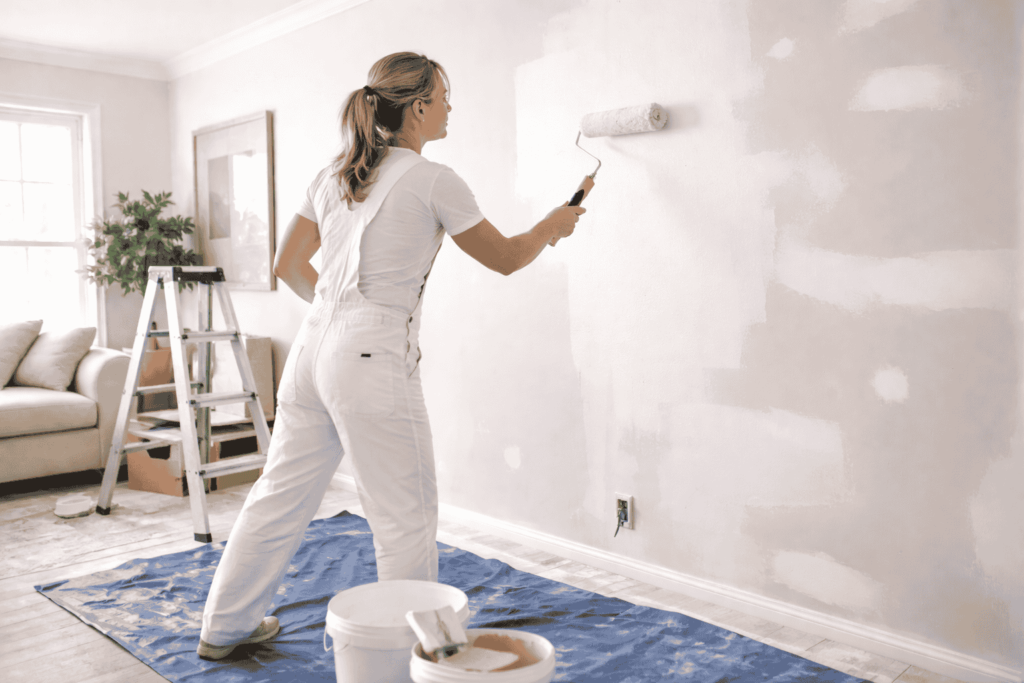
Primer is one of the most misunderstood steps in interior painting. Some homeowners treat it as optional, while others assume it must be used every time a wall is repainted. In reality, primer serves a specific purpose. It prepares the surface so the new paint bonds properly, covers stains or repairs, and creates an even base for color.
Skipping primer when it is needed can lead to uneven coverage, visible patches, or paint that fails sooner than expected. At the same time, using primer unnecessarily adds extra time and cost to a project. Understanding when primer is required and when it can be skipped helps ensure that repainting interior walls produces a smooth, durable finish that holds up over time.
Many homeowners first start researching repainting after noticing wear or surface problems, and several early warning signs can indicate when walls are ready for a new coat. Our guide on 8 Clear Signs It’s Time to Repaint Interior Walls explains what to look for before planning a repainting project.
What Primer Actually Does
Primer is not simply another layer of paint. It is formulated differently and designed to prepare the wall surface before the final paint coats are applied. While paint provides color and protection, primer focuses on improving how well the new paint adheres and how evenly it covers the wall.
A properly applied primer helps:
- Seal porous surfaces such as drywall or joint compound
- Improve adhesion between the wall and the new paint
- Block stains from bleeding through the finish coat
- Create a consistent surface for even color coverage
- Reduce the number of paint coats required
Walls are rarely perfectly uniform, especially after repairs or years of wear. Areas that have been patched, sanded, or exposed to moisture tend to absorb paint differently than the surrounding surface. Primer evens out those differences so the finish coat dries with a consistent appearance.
Without primer, paint may soak into repaired areas, appear patchy, or struggle to adhere to certain surfaces. This is especially common when repainting interior walls that have been patched, cleaned with strong chemicals, or previously exposed to moisture. Using primer in these situations helps the new paint bond more effectively and last longer.
When You Should Prime Before Repainting Interior Walls
Primer is not necessary for every repainting project, but there are several situations where it becomes essential for achieving a durable and even finish. When certain surface conditions are present, skipping primer often leads to patchy color, poor adhesion, or paint that begins to fail sooner than expected.
Primer should be used before repainting interior walls when:
- The wall has fresh drywall repairs or patched areas
- Stains from water, smoke, or grease are present
- The existing paint is peeling, bubbling, or damaged
- The surface is highly porous or uneven
- You are switching from a dark color to a much lighter one
- The wall has never been painted before
Areas that have been repaired with joint compound are especially important to prime. Unsealed compound absorbs paint much faster than the surrounding wall, which often creates noticeable dull spots once the paint dries. This uneven absorption is commonly known as flashing.
Applying primer in these situations seals the surface and creates a uniform base so the final paint coat dries evenly and bonds properly to the wall.
Paint that is already peeling or bubbling usually signals a deeper surface problem that should be repaired before repainting. If you are dealing with this issue, our guide on How to Fix Paint Blistering and Bubbling on Walls explains the proper way to repair damaged paint before applying primer and a new finish coat.
When Primer May Not Be Necessary
In some repainting projects, primer can be skipped if the wall surface is still in good condition. If the existing paint is stable, clean, and the color change is minimal, new paint can often adhere without a separate primer layer.
Primer may not be needed when:
- The wall surface is clean and previously painted
- There are no stains or repairs on the wall
- The new paint color is similar to the existing color
- High quality paint with built-in primer is being used
- The existing paint finish is still intact and smooth
Even in these situations, proper surface cleaning and light sanding help improve adhesion before repainting.
Why Primer Matters After Wall Repairs
One of the most common mistakes during repainting happens after drywall repairs. Small holes, patched cracks, or skim-coated areas absorb paint differently than the surrounding surface. Even when the repair is done correctly, the texture and porosity of the patched area are rarely identical to the rest of the wall.
Without primer, these areas often appear dull or slightly darker once the paint dries. This happens because the repaired section absorbs more paint than the sealed wall around it. The difference may not be obvious while painting, but it becomes noticeable after the paint fully dries.
Applying primer before repainting interior walls seals the repaired surface and evens out absorption across the wall. This creates a consistent base for the finish coat, helping patches blend smoothly with the surrounding paint.
Primer also helps improve adhesion over repaired areas, which reduces the chance of peeling or uneven wear over time. When repairs are properly sealed before painting, the final result looks more uniform and lasts longer.
Using Primer to Cover Stains
Interior stains can easily bleed through fresh paint if they are not sealed first. Water stains, smoke damage, and grease splatter are especially difficult to cover with paint alone.
A stain-blocking primer prevents discoloration from reappearing through the finish coat. Once the stain is sealed, the new paint can be applied evenly without the risk of yellow or brown marks showing through later. This type of primer creates a barrier between the stain and the finish coat so the color stays consistent across the wall.
This step is especially important in kitchens, bathrooms, and areas affected by past water leaks. Taking the time to prime stained surfaces helps ensure the new paint maintains a clean and uniform appearance.
Primer and Major Color Changes
Primer becomes especially valuable when repainting interior walls with a drastically different color. Moving from a dark shade to a much lighter one often requires several coats of paint if primer is not used first.
Primer creates a neutral base that allows the new color to cover more evenly and consistently. Instead of fighting the previous color with repeated paint coats, the primer helps the finish coat achieve full coverage faster. This reduces the number of paint coats required and improves the overall appearance of the wall.
In many cases, one coat of primer followed by two coats of paint produces better results than applying multiple coats of paint alone. Using primer in these situations not only improves color consistency but also helps the final finish look smoother and more professional.
Choosing the Right Primer
Not all primers are designed for the same conditions. Selecting the right type depends on the wall surface, the condition of the existing paint, and any issues that need to be addressed before repainting. Using the correct primer helps create a stable base for the paint and improves how well the finish coat adheres.
Common primer types include:
- General purpose drywall primer for new surfaces
- Stain blocking primer for water or smoke damage
- Bonding primer for glossy or difficult surfaces
- Moisture resistant primer for bathrooms and kitchens
Each type is formulated to solve a specific problem. For example, bonding primers help paint adhere to slick or glossy surfaces, while stain-blocking primers seal discoloration that would otherwise bleed through new paint.
Matching the primer to the surface conditions ensures the paint bonds correctly, covers evenly, and lasts longer. Taking a few minutes to choose the appropriate primer can prevent common repainting issues such as patchy coverage, peeling, or stains reappearing later.
How to Apply Primer Correctly
Applying primer properly is just as important as choosing the right product. Poor application can reduce its effectiveness and lead to uneven coverage.
For best results:
- Clean the wall thoroughly before priming
- Repair holes and cracks first
- Sand rough areas lightly to smooth the surface
- Apply primer in an even coat with a roller or brush
- Allow full drying time before painting
Once the primer has dried completely, the finish paint can be applied with much better adhesion and color consistency.
When Professional Painting Services Make Sense
Priming and repainting interior walls may appear straightforward, but preparation errors are one of the main reasons paint jobs fail early. Improper surface cleaning, skipped primer, or incorrect product selection can lead to uneven finishes or recurring paint problems.
Professional painting services ensure that surfaces are properly evaluated before repainting begins. This includes identifying repairs, selecting the correct primer, and preparing the wall so the finish coat adheres properly.
When walls have stains, repairs, moisture exposure, or previous paint failure, professional preparation often produces a longer lasting result.
Final Thoughts
Primer is not always required when repainting interior walls, but in many situations it plays a critical role in achieving a durable and even finish. It seals repairs, blocks stains, improves adhesion, and helps paint cover more consistently.
Understanding when primer is necessary helps prevent common repainting problems such as flashing, uneven color, and poor paint adhesion. When the surface is properly prepared and primed where needed, the final paint job looks smoother and holds up far longer.
Need Help With Interior Painting?
If you are planning to repaint interior walls and want a smooth, long-lasting finish, Saint Joe Handyman provides professional interior and exterior painting services in Saint Joseph. From surface preparation and priming to full wall repainting, every project is handled with careful attention to detail.
Contact Saint Joe Handyman today for a free quote and get professional results that keep your walls looking clean, even, and durable for years to come.